A leisure activity is defined as a freely chosen activity practiced outside of constrained time (work, domestic obligations, commutes). This simple definition hides a real difficulty: finding an activity that matches one’s desires without falling back into the same habits – TV series, scrolling, dining out. The challenge is to identify practices that generate active engagement rather than passive consumption.
Manual and Analog Leisure: The Trend Taking Hold Among Young Adults
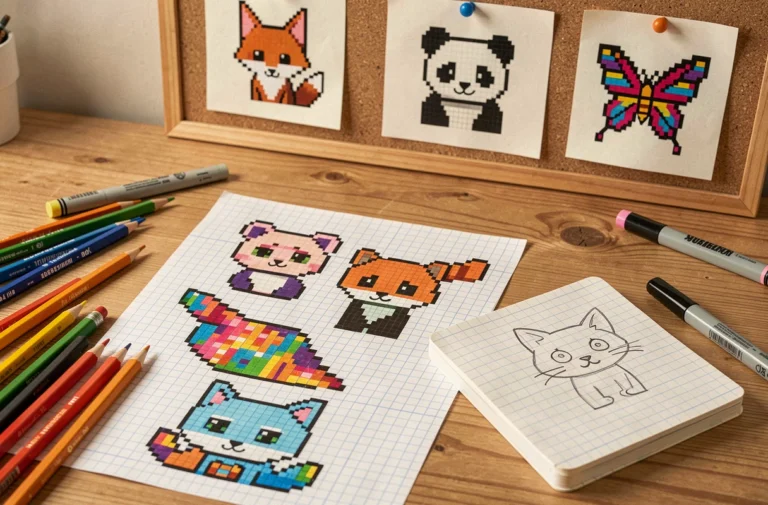
Digital fatigue is driving more and more people towards so-called analog manual activities. Knitting, cake decorating, card making, bookbinding: these practices are gaining ground as a direct alternative to passive screen time. The phenomenon particularly affects those aged 20-30, who find themselves in café-workshops or dedicated online communities.
This return to manual gestures is not about nostalgia. It responds to a concrete need: to produce a tangible object by the end of the session. A knitting project progresses, a cake gets decorated, a card is folded. The result is visible, measurable, and does not depend on any algorithm. For those who spend their workdays in front of a screen, this sensory contrast explains the appeal.
Collective workshops add a social dimension that solitary practice at home does not provide. Participating in a ceramics class or an embroidery session in a dedicated café allows potential friends to meet around a shared interest, without the pressure of a competitive setting. You will also find various options by browsing the magnates club on Blog Introduction, which lists activities categorized by theme.
Passion-Centered Stays: Hobby Travel as a Leisure Activity in Its Own Right
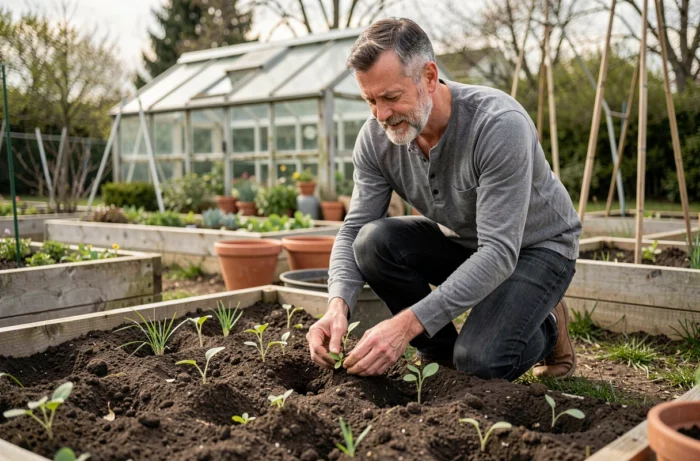
Hobby travel refers to a trip organized around a specific leisure activity: photography, local cuisine, textiles, ceramics. This niche tourism segment is experiencing rapid growth, driven by travelers who prefer to deepen a skill rather than check off tourist sites.
In France, this trend translates into a heightened attraction for nature and mountain stays. Open spaces, hiking, and outdoor workshops are gaining ground at the expense of traditional city breaks. The idea is no longer to visit a city in three days, but to spend a week perfecting a craft in a setting that differs from daily life.
Concrete Examples of Accessible Hobby Travel
- A regional cooking workshop at a farmhouse inn, where a visit to the local market is part of the program as much as meal preparation
- A photography stay in the mountains with a guide teaching natural light management over several days, with outings at dawn
- A plant dyeing workshop in a remote location, where the collection of dye plants is done through morning hikes
This type of stay often costs less than a traditional tourist trip with visits and restaurants because the activity itself replaces entertainment expenses. The budget goes towards learning rather than consumption.
City Activities: Workshops, Water, and Collective Spaces
For those who cannot go away, French cities offer a dense network of leisure activities that goes beyond the simple gym. Paris has a particularly varied offer, but medium-sized cities are catching up.
Aquatic activities deserve attention. Beyond traditional swimming, aquagym classes, calm water paddleboarding, or pool diving provide a gradual entry into physical leisure without significant joint impact. Water reduces the sensation of effort while engaging the entire body, which explains their success among people returning to activity after a long break.
Creative Workshops with Family or Friends
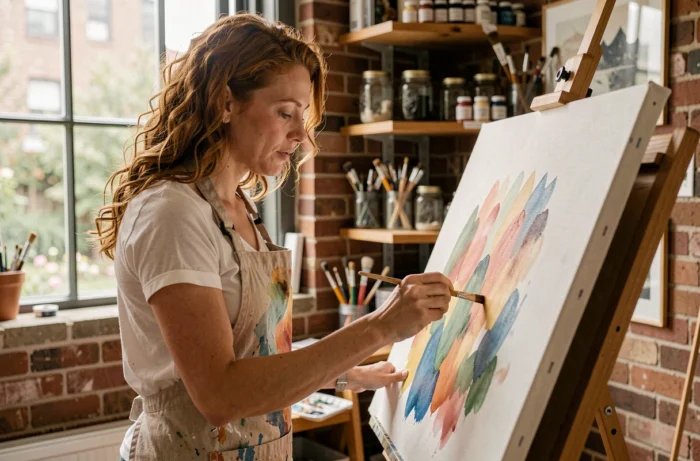
Group workshops – pottery, woodworking, perfumery – operate on a simple principle: a facilitator guides, and each person leaves with their creation. This format suits both children and adults, transforming a family outing into a shared experience rather than a passive visit.
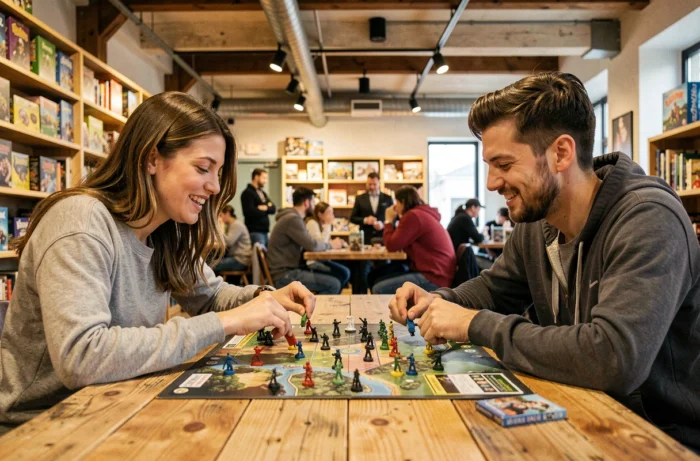
Games (escape rooms, urban treasure hunts, murder parties) represent another collective option that requires no prior skills. These scripted formats are suitable for groups of friends as well as families with children, and they are regularly refreshed. A playful visit to a historic neighborhood in the form of a treasure hunt effectively replaces the classic tourist stroll.
Spa, Reading, and Solitary Leisure: Protecting Your Free Time Without Guilt
Not all leisure activities need to be collective or productive. The spa, long reading, and aimless wandering: these solitary activities fulfill a recuperative function that social leisure does not offer.
Solitary leisure is not wasted time. An afternoon spent in a spa alternating between sauna, steam room, and reading provides a sensory break that is hard to achieve otherwise. The key lies in intentionality: deliberately choosing to produce nothing for a few hours, rather than succumbing to boredom by default.
Long reading, particularly on paper, operates on the same principle as analog leisure: it engages attention without requiring an immediate response. A book demands a longer entry time than a video, but the deep concentration it requires generates more lasting mental rest.
Among recent data on the leisure activities of the French, one statistic frequently appears: the proportion of people who report a lack of free time has increased, even though measured free time in hours per day has not decreased. The gap is partly explained by the difficulty in converting available time into restorative time. Choosing a leisure activity that truly meets one’s current needs, whether manual, athletic, cultural, or contemplative, remains the most determining variable.